

ECU remapping tools allow mechanical workshops to access and manage the calibration files stored inside a vehicle’s engine control unit. In a professional workflow, programming hardware and calibration software perform different roles. KESS3 handles supported communication with the ECU or TCU, including reading and writing operations, while ECM Titanium provides the workspace used to examine and edit calibration files.
Modern petrol and diesel vehicles use ECU controlled engine management systems where calibration data stored in internal flash memory determines how the engine responds under different operating conditions. Workshops performing ECU calibration work typically rely on a combination of programming hardware and ecu remapping software to read, modify and write calibration files stored in the engine control unit.
These systems are often grouped together under the term ECU tuning tools, but the hardware and software do not perform the same job. Understanding that distinction makes the workshop workflow easier to follow.
TLDR
ECU programming hardware and calibration software handle different stages of the remapping process. KESS3 communicates with supported ECUs and TCUs and manages reading and writing operations. ECM Titanium is used to examine and edit the calibration file after it has been obtained.
A typical workshop workflow is KESS3 → ECM Titanium → KESS3. The original file is obtained using compatible programming hardware, edited in ECM Titanium, then written back using the programming hardware.
For more detail about the calibration stage, see our ECU tuning software guide for professional workshops.
Working with ECU Calibration Files in the Workshop
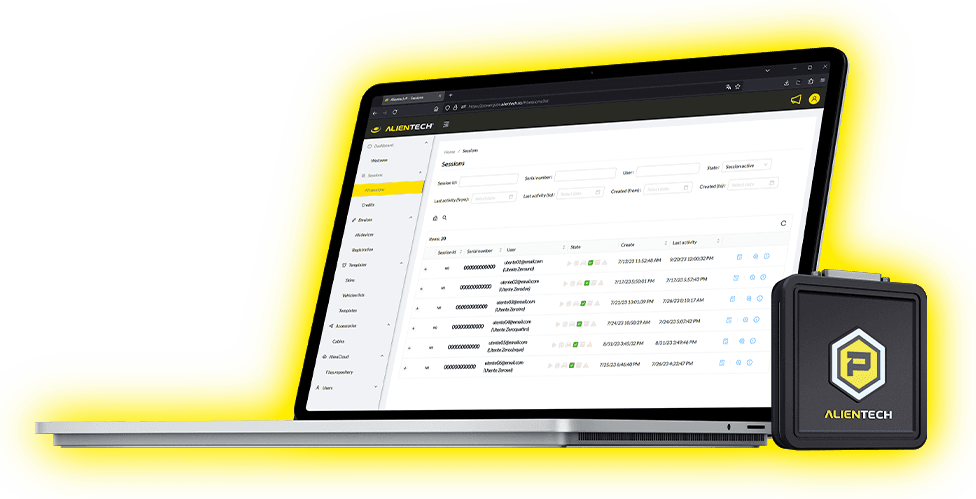
In a workshop environment, ECU remapping tools are used to read, review and write the calibration files stored in the engine control unit. Technicians use these tools to extract the original ECU file from the vehicle, open it in tuning software and examine the calibration maps that control engine behaviour.
These calibration files contain the data tables used by the ECU to manage fuel delivery, ignition timing, torque limits and boost control. By reading the original file, workshops can review the existing calibration structure, compare software versions or prepare a file for modification by a calibration provider.
Once the updated calibration file is ready, the remapping tool is used to write the file back to the ECU through a controlled flashing process. In many tuning workflows, devices such as Alientech Tools Powergate systems are used to manage and apply these calibration files, allowing workshops to load approved software updates to compatible vehicles through guided programming procedures.
Using ECU remapping tools in this way allows workshops to handle ECU file management, software updates and calibration work as part of their service offering without relying on dealer programming systems.
Why Professional Workshops Invest in ECU Remapping Tools
Workshops encounter several common scenarios where these tools become valuable. A customer may request a performance remap, a vehicle may arrive with a dealer locked ECU that requires specialised tools to read the software, or a workshop may need to manage consistent software updates across a fleet of vehicles. In each case, ECU remapping tools allow technicians to read the ECU file, organise calibration data and apply updated software when required.
Using professional ecu remapping kits, workshops can retrieve ECU calibration files, review engine management parameters and write updated software back to the control unit when required. These systems provide a structured process for reading ECU memory and managing calibration files.
Another advantage of professional ECU programming platforms is workflow consistency. These systems guide technicians through ECU reading and flashing procedures, ensuring each stage of ECU communication is completed correctly. This helps reduce the risk of programming interruptions or communication errors when working across multiple vehicle platforms.
For workshops handling ECU software updates, calibration work or tuning services, dedicated tools such as Alientech Tools Powergate systems provide a structured way to read ECU files and apply approved calibration updates across compatible vehicles.
Components Of Professional ECU Remapping Tools
A complete ECU remapping setup normally combines programming hardware and calibration software rather than relying on one device to perform every task.
| Component | Function |
| Programming hardware | Communicates with supported ECUs and TCUs and manages file acquisition and writing operations |
| Calibration software | Allows technicians to examine and modify calibration files |
| File management system | Organises ECU calibration files and projects |
For example, KESS3 performs the programming role, while ECM Titanium provides the calibration environment. The programming hardware obtains the file from the supported control unit, the software is used to work on the calibration, and the programming hardware is then used again to write the prepared file.
Each component supports a stage of the ECU programming workflow. Hardware interfaces allow technicians to read ECU files from the vehicle, while software platforms are used to review calibration maps and analyse engine parameters. Programming devices then write the updated software back to the ECU through a controlled flashing process. In many workshop environments, devices such as Alientech Tools Powergate systems are used to apply approved calibration files to compatible vehicles through guided programming procedures.
Together these tools create a structured ECU programming environment that allows workshops to manage ECU files, apply software updates and perform calibration work within the workshop.
ECU Remapping Software Used In Professional Workshops
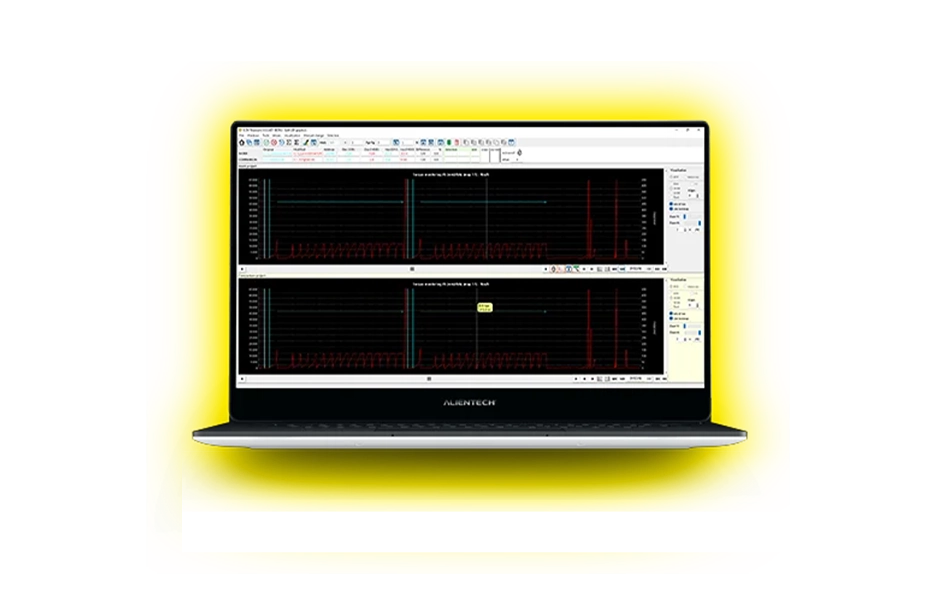
The analysis stage of ECU programming occurs inside ecu remapping software. After the ECU file has been read from the vehicle, the software displays and allows modification of calibration data in the form of engine management maps.
These maps influence several key engine parameters:
• fuel injection timing
• ignition timing
• turbocharger boost pressure
• throttle response behaviour
ECU calibration files typically contain multiple data tables that influence engine behaviour across different driving conditions. These may include torque limitation maps, fuel delivery tables and boost pressure targets.
Tuning software allows technicians to analyse these calibration structures and review how different parameters interact within the engine management system. Because manufacturers use different ECU architectures, professional tuning software must support a wide range of control unit types and communication protocols.
ECM Titanium is Alientech’s calibration software for working with ECU and TCU files. Once an original file has been obtained using compatible programming hardware, ECM Titanium allows technicians to identify recognised maps, examine calibration values and prepare modifications.
For a more detailed explanation of Drivers, map views and file management, read our ECU tuning software guide for professional workshops.
ECU Flashing And ECU Remapping
ECU remapping and ECU flashing are closely related processes used when updating the software stored inside an engine control unit. Remapping generally refers to modifying calibration maps within the ECU file, while flashing refers to writing the updated software back to the control unit.
During ECU programming, technicians first read the original ECU file from the vehicle. After reviewing calibration data inside ecu remapping software, the modified file is written back to the ECU through the flashing process.
Professional ecu remapping tools manage this process by verifying file integrity before software is written to the control unit. Reliable flashing procedures are essential because the ECU controls critical engine management functions such as fuel delivery, ignition timing and turbocharger boost control.
ECU Remapping Tools And Software Working Together
Professional ECU programming relies on programming hardware and calibration software performing separate stages of the same workflow.
Using KESS3 and ECM Titanium as an example, a typical process is:
- Connect KESS3 to the supported ECU or TCU using the appropriate procedure
- Obtain the original file using KESS3
- Open the file in ECM Titanium
- Examine and edit the required calibration maps
- Prepare and check the modified file
- Use KESS3 to write the prepared file back to the supported control unit
KESS3 supports OBD, Bench and Boot programming methods, with the available method depending on the vehicle and control unit. ECM Titanium sits between the file acquisition and programming stages and does not make the physical connection to the ECU itself.
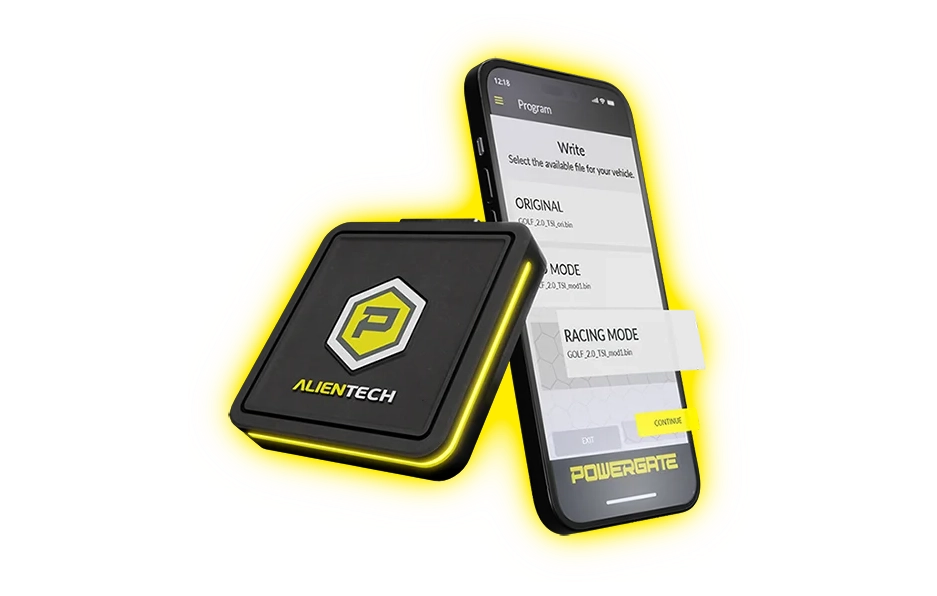
Powergate supports a different workflow centred on managed OBD programming and file distribution. It remains relevant for workshops and calibration providers using that model, but it should not be confused with calibration editing software.
Choosing ECU Remapping Tools For Your Workshop
Selecting suitable ecu remapping tools requires understanding how programming systems communicate with different engine control units. ECU architectures vary between manufacturers, which means compatibility is an important factor when selecting ECU programming equipment.
Different vehicles require different ECU communication methods. Programming tools may access the ECU through the vehicle diagnostic port or through direct ECU connections. Some systems allow deeper interaction with ECU memory when standard diagnostic communication is restricted.
Modern vehicles use communication protocols that define how data is transferred between the ECU and programming hardware. Professional ECU programming platforms such as Powergate support multiple vehicle communication systems so workshops can access calibration files across different manufacturers.
When evaluating ECU programming tools, workshops typically consider:
• supported vehicle brands
• ECU protocol compatibility
• reliability of programming hardware
• usability of tuning software
• availability of technical support
Choosing a system that aligns with the vehicles serviced by the workshop ensures the ECU programming tools remain effective as vehicle technology evolves.
Dedicated ECU Programming Devices In Workshop Environments
Some tuning workflows rely on dedicated ECU programming devices rather than laptop based programming alone. These devices allow calibration files to be organised, transferred and written to vehicle ECUs through controlled programming procedures.
Dedicated programming devices are often used when ECU files need to be distributed between calibration providers and workshops. Systems such as Alientech Powergate units are designed to support this type of workflow by allowing technicians to write ECU calibration files to compatible vehicles using guided programming processes.
Using structured programming devices helps maintain consistency when performing ECU software updates across multiple vehicles and workshop environments.
Final Thoughts
Modern vehicles rely heavily on electronic control systems where ECU calibration data determines how engines respond to different operating conditions.
Using professional ecu remapping tools together with specialised ecu remapping software, workshops can read ECU files, analyse calibration maps and update engine control software through structured programming workflows.
In many professional tuning environments, dedicated ECU programming devices such as Powergate systems are used to manage calibration files and deliver controlled ECU updates across different vehicle platforms.
Explore ECU Programming Tools for Your Workshop
If your workshop is working with ECU calibration files or expanding into ECU programming services, dedicated programming devices can help streamline software management and vehicle compatibility.
Alientech Tools Powergate systems provide a structured way for workshops and calibration providers to distribute and apply ECU software updates across compatible vehicles using guided programming workflows.
Explore professional ECU programming tools to understand how Powergate systems can support ECU file management and programming procedures within modern workshop environments.
FAQs
What are ECU remapping tools used for?
ECU remapping tools allow workshops to read, analyse and modify software stored inside engine control units. These tools provide access to ECU calibration files and allow technicians to update engine management software.
What is ECU remapping software?
ECU remapping software is used to examine and modify calibration data inside ECU and TCU files. For example, ECM Titanium uses Drivers to identify recognised maps and provides different views for technicians working with calibration data. Programming hardware such as KESS3 is used separately to communicate with the control unit.
What Is the Difference Between ECU Programming Hardware and Calibration Software?
Programming hardware communicates with the ECU or TCU and handles supported file acquisition and writing operations. Calibration software is used to examine and modify the file after it has been obtained. KESS3 performs the programming role, while ECM Titanium provides the calibration workspace.
What is ECU flashing?
ECU flashing refers to writing updated software or calibration files to an engine control unit. Professional ecu remapping tools perform flashing by transferring the updated ECU file from the programming device to the ECU memory.
What vehicles support ECU remapping?
Compatibility depends on the engine control unit used by the vehicle manufacturer. Professional ECU programming systems support many ECU architectures, but compatibility must be verified before performing ECU programming.
Is ECU remapping legal in Australia?
Vehicle modification regulations vary between Australian states and territories. Workshops performing ECU calibration work must ensure that modifications comply with applicable vehicle standards and emissions regulations.